
How to Start Exercising for Beginners: A Simple Guide to Building a Fitness Routine
If you are wondering how to start exercising, the best approach is usually to begin with simple activities that fit your daily life.
The good news is that you do not need to do everything at once.
If you are wondering how to start exercising, the best approach is usually to begin with simple activities that fit your daily life. A short walk, a few bodyweight exercises, or a simple home workout can be enough to get started.
The goal at the beginning is not to become extremely fit in a few weeks. It is to create a routine that you can continue.
How to Start Exercising as a Beginner
When you are new to exercise, start with activities that feel manageable. Trying to follow an advanced workout plan immediately can leave you exhausted and make exercise feel like a chore.
Instead, think about building your fitness one step at a time.
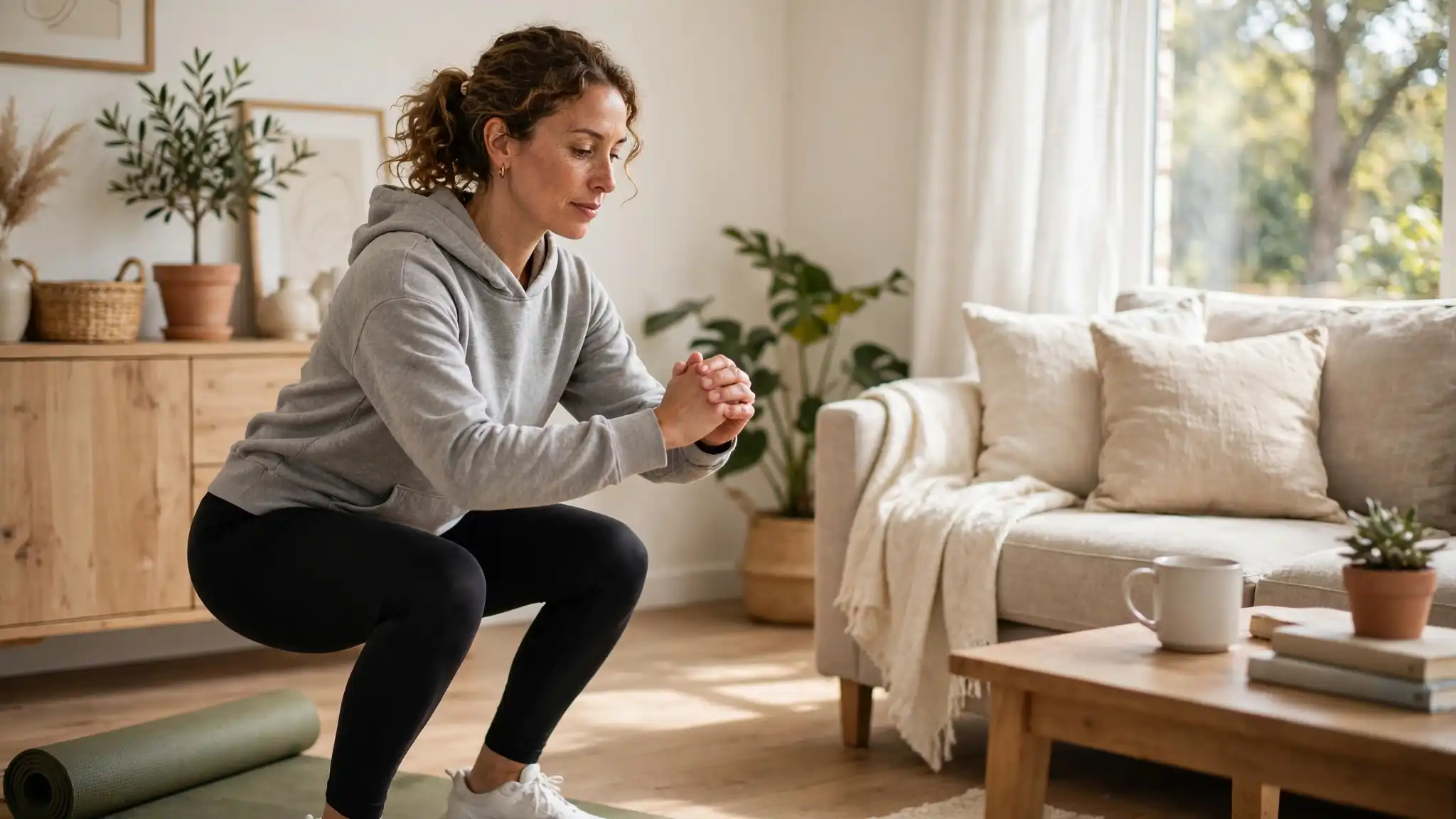
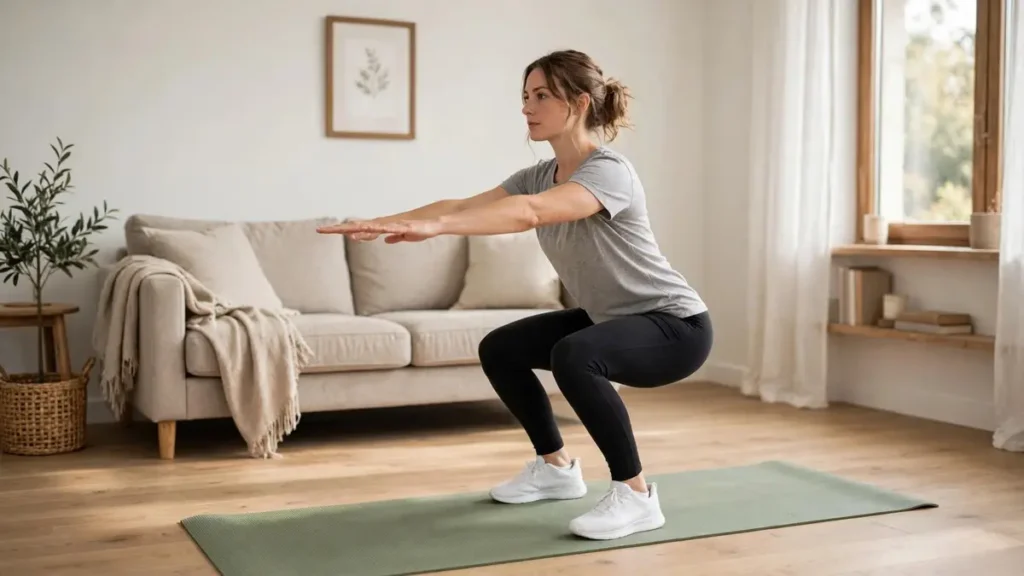
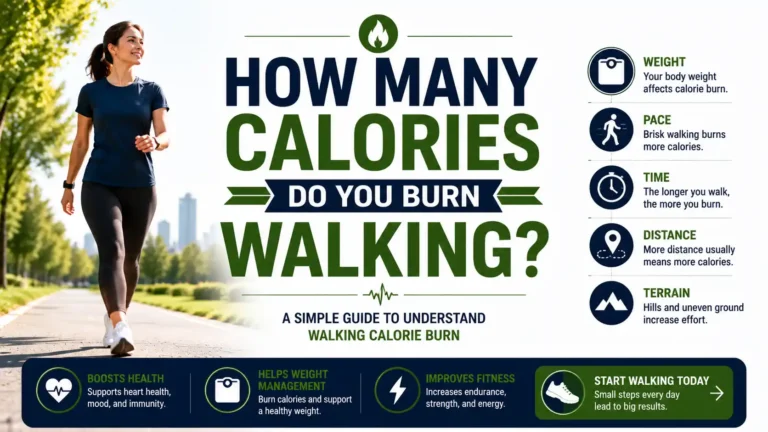
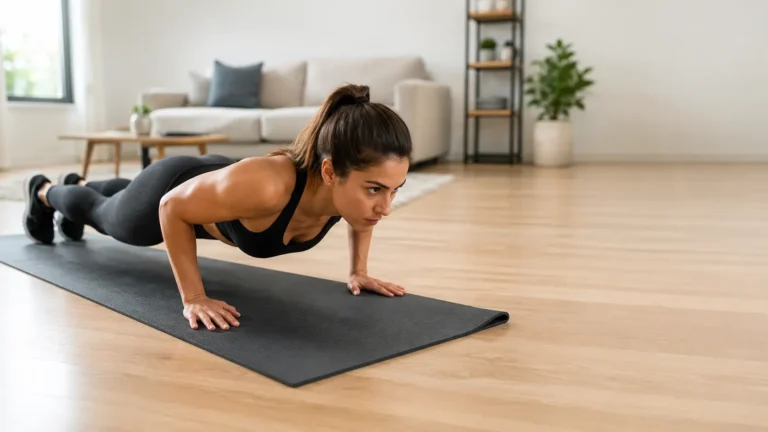
You could start by walking for 20 to 30 minutes a few times a week. You can also add simple bodyweight exercises such as squats, push ups, glute bridges and planks.
If you are looking for a simple workout you can do at home, take a look at our guide to beginner home workouts.
As your body becomes more comfortable with regular movement, you can gradually increase the amount of exercise you do.
Start With Realistic Goals
One of the easiest ways to lose motivation is to set a goal that is too difficult to maintain.
For example, deciding that you will exercise for two hours every day may sound motivating at first, but it can be difficult to fit into a normal schedule.
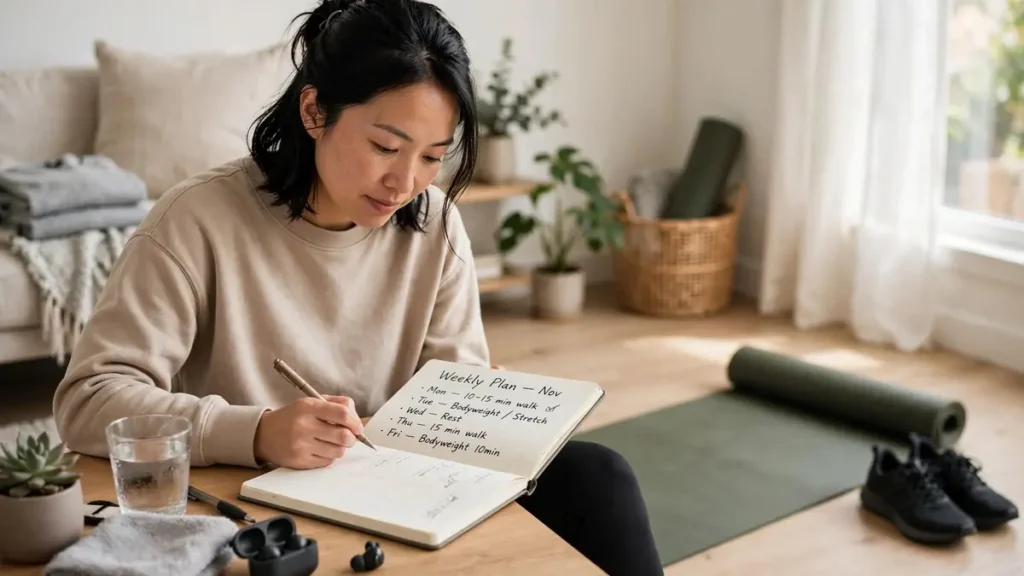
A better starting point might be exercising for 20 to 30 minutes two or three times per week.
Your first goal could simply be consistency.
Once that routine becomes easier, you can increase the duration, frequency or difficulty of your workouts.
You should also remember that progress is not always measured by weight. You might notice that you can walk longer, perform more push ups, climb stairs more easily or recover faster after exercise.
These are all useful signs that your fitness is improving.
Choose Activities You Actually Enjoy
Exercise does not have to mean spending time on a treadmill or lifting weights in a gym.
Walking, cycling, swimming, dancing, hiking, playing sports and home workouts can all be ways to become more active.
Think about what you actually enjoy.
If you like being outdoors, walking or cycling may be easier to maintain than an indoor workout.
If you prefer privacy, home workouts may be more comfortable.
If you enjoy being around other people, a group class or recreational sport might make exercise more enjoyable.
The best activity is often the one you are willing to keep doing.
How Many Days Should Beginners Exercise?
You do not need to exercise every day when you are just starting.
A simple schedule could include two or three days of strength focused exercise each week, along with regular light activity such as walking.
For example, you might exercise on Monday, Wednesday and Friday, while taking walks or doing other light activities on the days between workouts.
The right amount depends on your current fitness level, schedule and health.
If you have been inactive for a long time, starting with smaller amounts and gradually increasing your activity can make the transition easier.
The World Health Organization provides general guidance on physical activity for adults, including recommendations for aerobic activity and muscle strengthening.
The important thing for a beginner is not to copy someone else’s routine. Start from your current fitness level and build from there.
How Long Should a Beginner Workout?
Your workout does not have to be an hour long.
For many beginners, 20 to 30 minutes is enough time to complete a simple workout.
For example, you could spend five minutes warming up, 15 to 20 minutes doing your main exercises and a few minutes slowing down afterward.
Some days you may have more time. Other days you may only have 10 or 15 minutes.
Do not let a busy schedule convince you that you have to skip exercise completely.
A shorter session can still help you maintain your routine.
Start With Simple Exercises
You do not need complicated exercises when you are starting.
Simple movements can help you learn basic movement patterns and become more comfortable with exercise.
Some beginner friendly options include:
Bodyweight squats
Push ups or modified push ups
Glute bridges
Planks
Lunges
Walking
You can start with a small number of repetitions and focus on performing each movement with control.
As the exercises become easier, you can gradually increase repetitions or move to a more challenging variation.
Don’t Forget Walking and Cardio
Strength training is useful, but beginners should not feel that every workout needs to be intense.
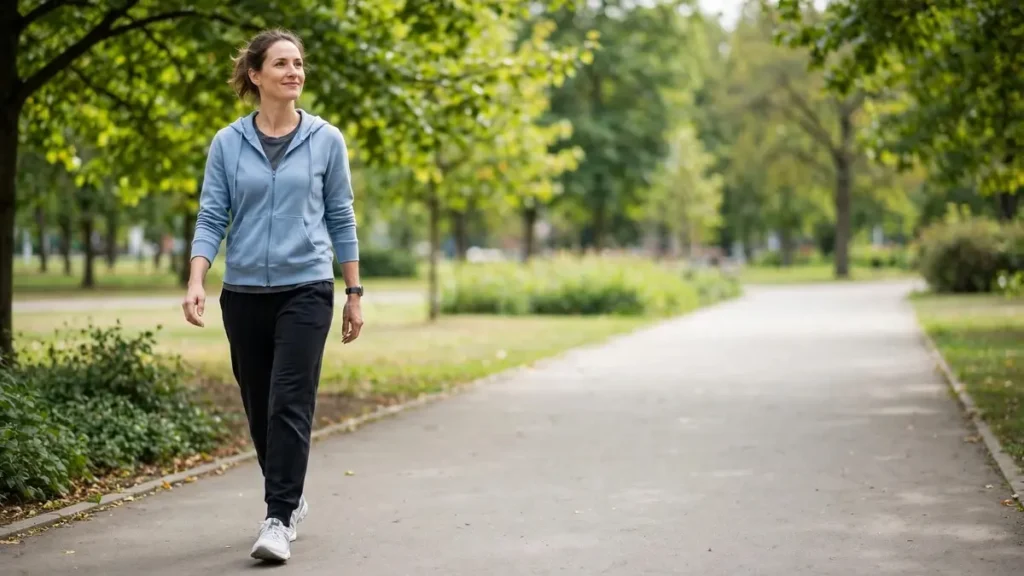
Walking is one of the easiest ways to add more movement to your day.
You could take a walk in the morning, walk during a lunch break or take an evening walk after dinner.
Other activities such as cycling, swimming or recreational sports can also provide cardiovascular exercise.
If you are currently very inactive, even small increases in daily movement can be a useful starting point.
You do not have to turn every activity into a workout.
Sometimes the easiest way to become more active is simply to find more opportunities to move during the day.
Why Rest Days Matter
Rest is part of a fitness routine.
When you begin exercising, your body may need more time to recover than you expect. You might experience muscle soreness after trying a new activity.
That does not mean you need to stop exercising completely, but it can be a good reason to avoid training the same muscles intensely on consecutive days.
Rest days can also make your routine easier to maintain.
If you constantly feel exhausted from exercise, it becomes much harder to stay motivated.
Listen to your body and give yourself enough recovery time.
If you experience sharp pain, dizziness, chest pain or other concerning symptoms during exercise, stop and seek appropriate medical advice.
Common Beginner Exercise Mistakes
Doing Too Much Too Soon
This is one of the most common mistakes.
You may feel motivated when you start a new routine and want to exercise every day. But your body still needs time to adapt.
Start with manageable workouts and increase the challenge gradually.
Focusing Only on Weight Loss
Your weight can change for many reasons, and it is not the only way to measure fitness progress.
Strength, endurance, mobility, energy levels and consistency are also useful things to track.
If you are interested in understanding your current measurements, you can use our BMI Calculator as a general reference.
Comparing Yourself With Others
Social media can make it seem like everyone else is already fit.
Remember that you are usually seeing someone’s progress, not their starting point.
Your first workout may look very different from someone who has been exercising for years.
Focus on your own progress.
Ignoring Technique
Doing more repetitions is not always better.
Learn the basic movement first and focus on controlled, comfortable exercise.
If you are unsure how to perform an exercise correctly, consider getting guidance from a qualified fitness professional.
How to Stay Consistent
Motivation can help you start, but habits are what can help you continue.
Try choosing specific days and times for your workouts.
For example, you might decide to exercise every Monday, Wednesday and Friday after work.
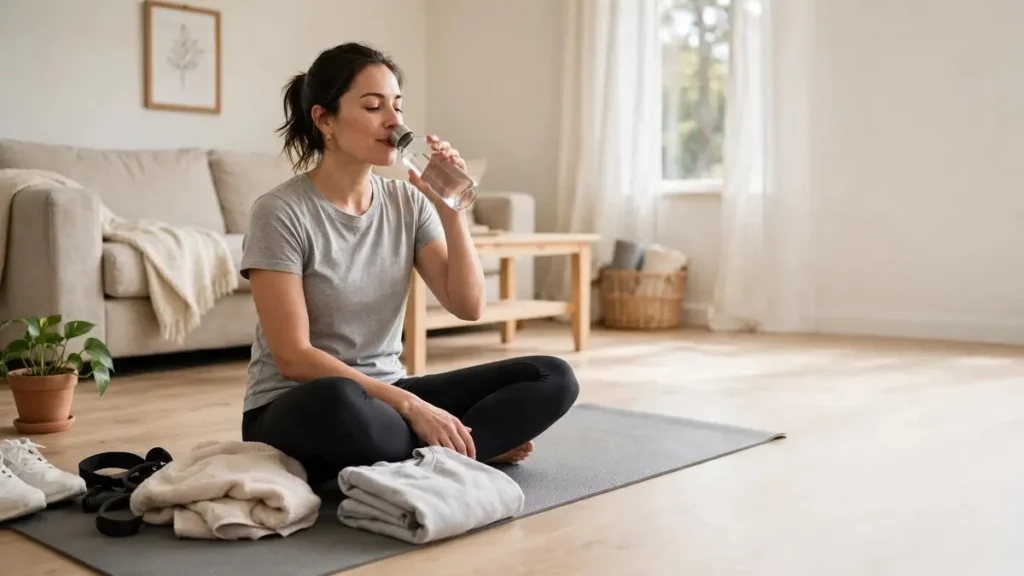
You can also prepare your workout clothes beforehand or keep your exercise mat somewhere easy to access.
Make your routine convenient.
Another useful approach is to start small.
Instead of telling yourself that you must complete a perfect 45 minute workout, tell yourself that you will start with 10 minutes.
Once you begin, you may decide to continue for longer.
If you miss a workout, do not assume that you have failed.
Simply return to your routine at the next opportunity.
One missed workout is not the end of your progress.
A Simple 4 Week Beginner Routine
If you are not sure where to begin, you can use a simple progression.
Week 1
Focus on becoming comfortable with exercise.
Walk for around 20 minutes two or three times during the week.
Add one or two short home workouts using basic bodyweight exercises.
Week 2
Continue walking and complete two or three beginner strength workouts.
Focus on learning the exercises rather than increasing the difficulty.
Week 3
If your body is responding well, slightly increase the number of repetitions or workout duration.
You could also add another short walk during the week.
Week 4
Continue the routine and review your progress.
Ask yourself whether the workouts feel easier than they did during the first week.
If they do, you can gradually increase the challenge.
You can also use our Calories Calculator to get a general estimate of your daily calorie needs when planning your fitness and nutrition goals.
Remember that these numbers are estimates and should not be treated as personalized medical or dietary advice.
What Should You Do Before Your First Workout?
Before exercising, give yourself a few minutes to prepare.
Wear comfortable clothing and choose a safe area where you have enough space to move.
A short warm up can help you gradually prepare your body for activity. You might walk around the room, move your arms and legs gently, or perform other easy movements.
You should also avoid starting a difficult workout when you are already exhausted.
If you have a health condition, injury or other concern about exercising, speak with a healthcare professional before starting a new exercise program.
When Will You Start Seeing Results?
There is no exact timeline that applies to everyone.
Your results can depend on your starting fitness level, exercise routine, nutrition, sleep, genetics and consistency.
Some changes may be noticeable relatively quickly. For example, you may find that certain exercises become easier or that you have more confidence during your workouts.
Other changes, such as improvements in body composition or significant strength gains, can take longer.
Try not to judge your progress after only a few days.
Give yourself time to build the habit.
Final Thoughts
Learning how to start exercising does not have to be complicated.
Begin with activities you can manage, choose exercises you enjoy and create a routine that fits your lifestyle. You do not need to train for hours or push yourself to exhaustion every time you exercise.
Start small and focus on consistency.
A few workouts each week, regular walking and gradual progress can give you a strong foundation for a healthier and more active lifestyle.
The most important step is often the first one.
Frequently Asked Questions
How should a complete beginner start exercising?
Start with simple activities such as walking and basic bodyweight exercises. Two or three manageable workouts per week can be a practical starting point for many beginners.
How long should a beginner exercise each day?
There is no single duration that works for everyone. A 20 to 30 minute workout can be a reasonable starting point, and even shorter sessions can help you build consistency.
Is walking enough to start exercising?
Walking can be an excellent starting activity, especially if you have been inactive. As your fitness improves, you can add strength exercises and other activities.
Should beginners exercise every day?
Beginners do not necessarily need to exercise every day. Recovery is important, particularly when starting strength focused workouts.
Can I start exercising at home?
Yes. You can begin with simple bodyweight exercises and walking without needing a gym membership or expensive equipment.
What if I miss a workout?
Do not give up because of one missed session. Simply return to your routine when you can. Long term consistency matters more than having a perfect schedule.
Should I exercise before or after eating?
This can vary from person to person and depends on the type and timing of your meal and the intensity of your workout. Pay attention to how your body feels and avoid exercising immediately after a large meal if it causes discomfort.
Disclaimer: This article is intended for general informational and educational purposes only. It is not a substitute for medical advice, diagnosis or individualized fitness guidance. If you have a medical condition, injury, or concerns about starting a new exercise program, consult an appropriate healthcare professional before exercising.




One Comment