What to Eat Before a Workout: A Beginner’s Guide
What you eat before exercise can affect how comfortable, energized, and prepared you feel during your workout. But pre-workout nutrition does not need to involve complicated meal plans, expensive supplements, or a “perfect” meal eaten at an exact minute.
If you are wondering what to eat before a workout, a practical starting point is to consider three things: how soon you are exercising, what type of workout you are doing, and how much food you personally tolerate before activity.
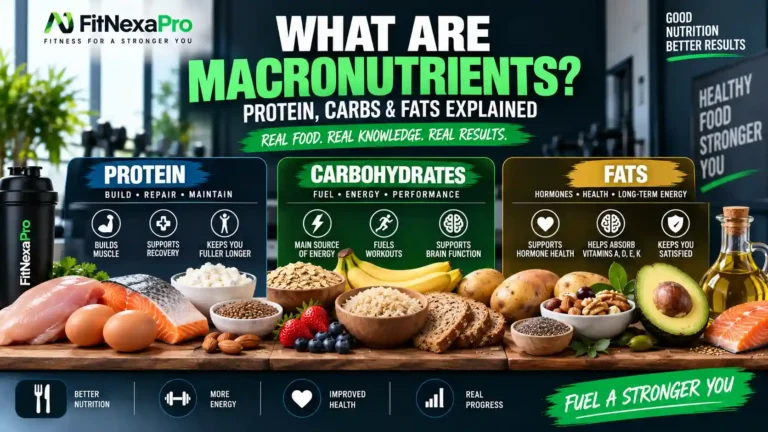
Carbohydrates are particularly useful for supplying readily available fuel for exercise, while protein can help you meet your overall daily protein needs. Hydration matters too. Research and sports-nutrition guidance support paying attention to food, fluids, and timing around exercise, particularly as training duration and intensity increase.
This guide will show you how to build a simple pre-workout meal or snack without making nutrition harder than it needs to be.
What to Eat Before a Workout: The Simple Answer
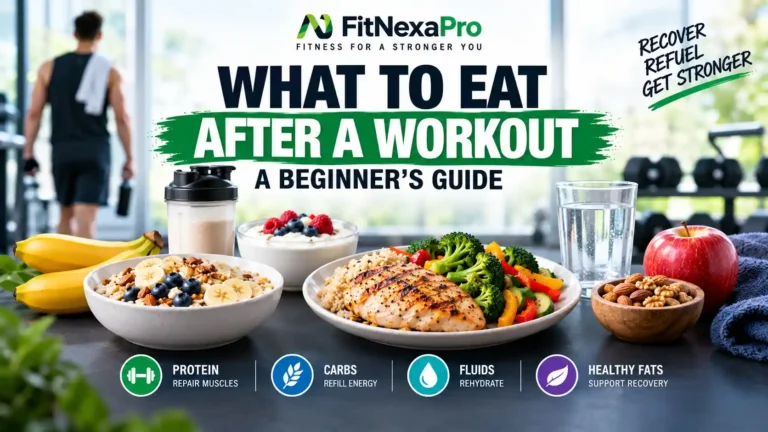
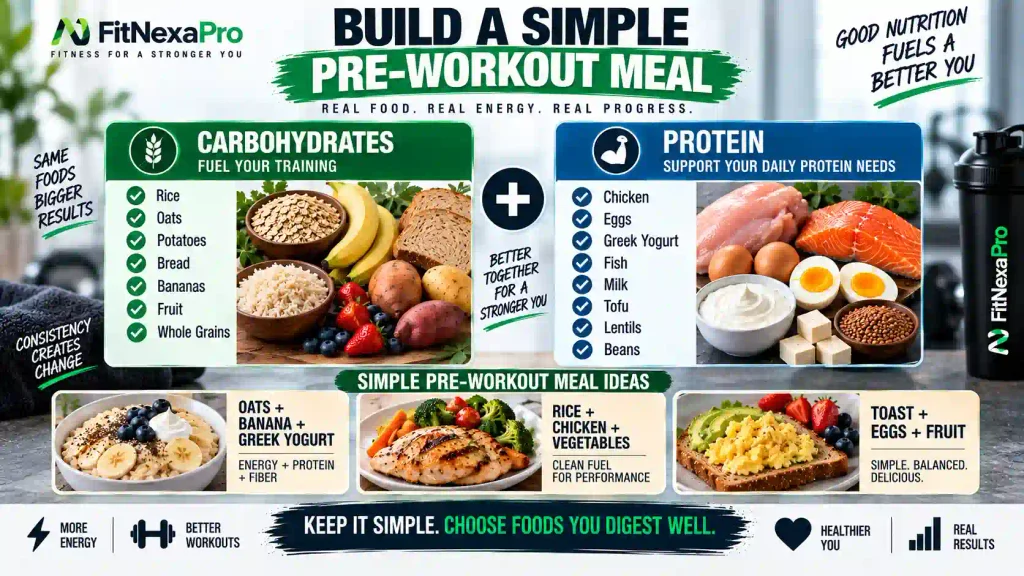
For many people, a useful pre-workout meal includes:
A source of carbohydrates + a source of protein + fluids
For example:
- Oatmeal with banana and Greek yogurt
- Rice with chicken and vegetables
- Whole-grain toast with eggs and fruit
- Yogurt with fruit and oats
- A banana with yogurt
- Toast with a small amount of peanut butter
- A simple fruit smoothie with yogurt
The appropriate portion depends partly on how long you have before exercising.
If you are eating several hours before training, you can generally have a normal balanced meal.
If your workout starts soon, a smaller, easier-to-digest snack may feel more comfortable.
There is no single food that everyone must eat before exercising.
Why Pre-Workout Nutrition Matters
Exercise requires energy.
Your body stores energy in several forms, including glycogen in your muscles and liver. Carbohydrate intake contributes to maintaining and replenishing these stores, which becomes particularly relevant for longer or demanding exercise. Research on endurance exercise has found benefits from pre-exercise carbohydrate feeding in various circumstances, although the effect depends on factors such as exercise duration and the individual’s nutritional state.
Protein serves a different purpose. It supplies amino acids needed for building and maintaining body tissues.
Fat is also an important part of your overall diet, although a large high-fat meal immediately before exercise may not be the most comfortable option for everyone.
Instead of searching for a magical pre-workout food, think about your meal as preparation for the activity ahead.
Timing Your Pre-Workout Meal
One of the biggest questions beginners have is:
How long before working out should I eat?
There isn’t one mandatory window.
A practical approach is to adjust the size and composition of your food according to how much time you have.
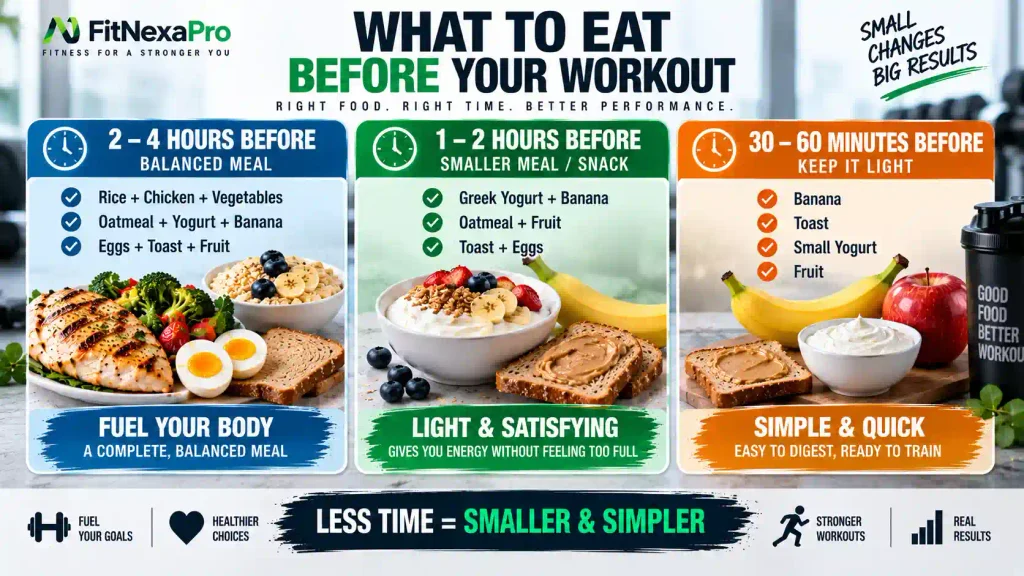
About 2–4 Hours Before Your Workout
If you have a few hours before exercising, this is a good opportunity for a normal balanced meal.
You have more time to digest it, so the meal can be more substantial.
For example:
Option 1:
Grilled chicken + rice + vegetables
Option 2:
Eggs + whole-grain toast + fruit
Option 3:
Oatmeal + banana + Greek yogurt
Option 4:
Potatoes + fish + vegetables
Option 5:
Rice + lentils + vegetables
You don’t need to eat all of these foods together. The basic idea is to combine a carbohydrate-rich food with a useful protein source and build the meal around foods you normally tolerate well.
Research has long examined meals consumed roughly 3–4 hours before endurance exercise, with carbohydrate intake in this period able to influence fuel availability.
What If You Have Only 1–2 Hours?
As the workout gets closer, many people prefer a smaller meal or snack.
You might choose:
- Banana + Greek yogurt
- Oatmeal + fruit
- Toast + eggs
- Yogurt + oats
- Fruit + a small yogurt
- A simple smoothie
You don’t necessarily need a full plate of chicken, rice and vegetables an hour before exercising.
The objective is to get useful nutrition without feeling excessively full while you’re training.
Your own digestion matters here.
Someone may comfortably eat yogurt an hour before lifting weights, while another person may prefer eating two hours beforehand.
That doesn’t mean one of them is doing it incorrectly.
What to Eat 30–60 Minutes Before a Workout
Suppose you finish work late and realize you’re going to the gym in 45 minutes.
You don’t need to abandon your workout because you missed the supposed “perfect” pre-workout window.
If you are hungry and want to eat, choose something relatively small and familiar.
Examples could include:
A banana
A piece of fruit
Toast
A small yogurt
A small smoothie
A few crackers with a suitable accompaniment
Closer to training, simple foods and smaller portions are often easier to manage than a very large meal.
Avoid experimenting with unfamiliar foods immediately before an important or particularly demanding workout.
Carbohydrates Before a Workout
Carbohydrates deserve special attention in pre-workout nutrition because they are an important fuel source for exercise.
During digestion, carbohydrate-containing foods can supply glucose, while stored carbohydrate in the form of glycogen can contribute energy during activity.
Useful carbohydrate-containing foods include:
- Rice
- Oats
- Potatoes
- Bread
- Pasta
- Fruit
- Whole grains
- Cereals
- Beans and legumes
The amount you need isn’t identical for every workout.
Someone preparing for a long endurance session has different demands from someone doing a short recreational workout.
Pre-exercise carbohydrate feeding has been studied extensively, especially in endurance exercise, and can support performance in appropriate situations. However, there is no need for a recreational beginner to turn every gym session into a complicated carbohydrate-loading strategy.
Carbohydrates are an important source of energy during exercise. According to NIH MedlinePlus, carbohydrates are broken down into glucose, which can be used immediately for energy or stored in the liver and muscles for later use.
Should You Eat Protein Before a Workout?
Protein can absolutely be part of your pre-workout meal.
Examples include:
- Greek yogurt
- Eggs
- Chicken
- Fish
- Milk
- Cottage cheese
- Tofu
- Lentils
- Beans
However, protein shouldn’t be treated as a magical pre-workout ingredient.
Your overall daily protein intake remains important, and the precise timing of a single protein serving is only one part of your total nutrition.
Research on combining carbohydrate and protein around exercise has produced context-dependent results, and benefits seen in athletic studies should not be interpreted as meaning everyone needs a special carbohydrate-protein supplement before every workout.
For most beginners, a normal protein-containing food is perfectly reasonable.
You can internally link here to your How Much Protein Do You Need Per Day? guide.
What About Fat Before Exercise?
Dietary fat is an important part of a balanced diet.
Foods such as:
- Avocado
- Nuts
- Seeds
- Olive oil
- Nut butter
- Fatty fish
can all contribute useful nutrients.
But timing matters from a practical perspective.
A large meal containing substantial amounts of fat shortly before training may feel heavy for some people because fat-containing meals can take longer to digest.
That doesn’t mean you must eliminate fat from your pre-workout meal.
If you’re eating several hours before exercise, including normal amounts of dietary fat can be perfectly reasonable.
Closer to training, you may prefer a simpler meal or snack if you are prone to digestive discomfort.
Don’t Forget Fiber
Fiber is an important part of a healthy overall diet.
Vegetables, fruits, whole grains, beans and legumes are useful sources.
However, a very large amount of fiber immediately before vigorous exercise can cause digestive discomfort for some people.
This is especially relevant before:
- Running
- High-intensity interval training
- Long cycling sessions
- Sports involving repeated running
- Other vigorous activities
Again, individual tolerance matters.
You don’t need to avoid vegetables or whole grains because you exercise.
Instead, learn how your body responds to different foods and meal sizes at different times.
Three Real-Life Pre-Workout Scenarios
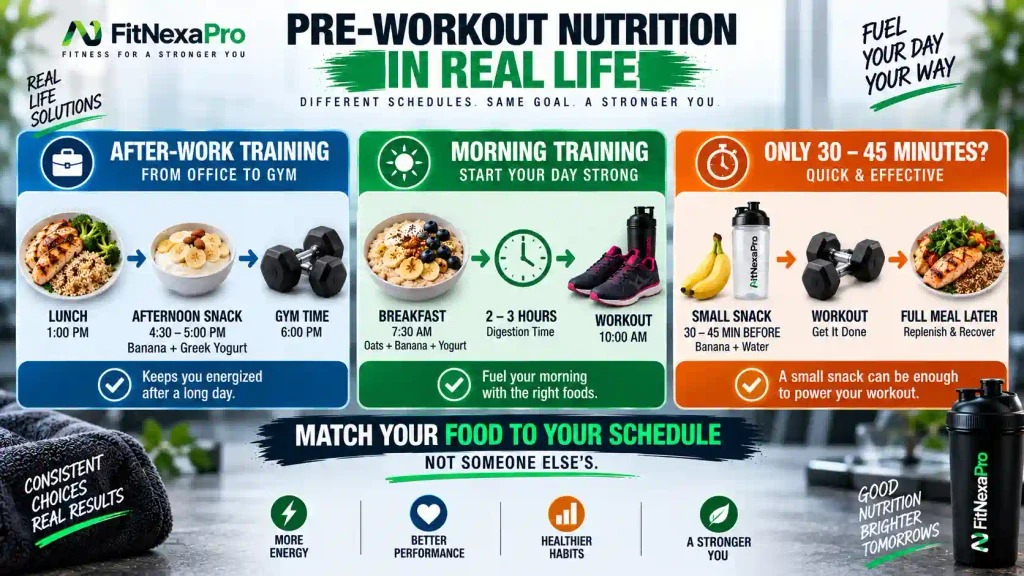
This is where pre-workout nutrition becomes much easier to understand.
Scenario 1: You Train After Work
Imagine you eat lunch at 1:00 PM and train at 6:00 PM.
Five hours is a relatively long gap.
A small afternoon snack could make sense.
For example:
4:30–5:00 PM:
Banana + Greek yogurt
Then:
6:00 PM:
Workout
You don’t need a second full lunch.
A convenient snack can bridge the gap.
Scenario 2: You Train After Breakfast
Suppose you eat breakfast at 7:30 AM and exercise at 10:00 AM.
Your breakfast can function as your pre-workout meal.
For example:
Oatmeal + banana + Greek yogurt
or
Eggs + toast + fruit
You probably don’t need to force another snack at 9:30 simply because you believe you’re supposed to “eat before training.”
Your earlier meal already counts.
Scenario 3: You Have Only 30–45 Minutes
You finish work and want to train almost immediately.
If you’re hungry, choose something simple.
For example:
Banana + water
or
Toast + a small amount of topping
or
Small yogurt + fruit
Then have a more complete meal after training.
This is often more practical than eating a large meal and immediately trying to perform squats or run.
What If You Work Out Early in the Morning?
Morning workouts create another common question:
Do I have to eat before exercising?
Not necessarily.
Some people feel comfortable doing shorter or lighter morning sessions before breakfast.
Others feel weak, hungry or unable to train effectively without eating something first.
Research comparing fed and fasted exercise shows that the answer is context-dependent; feeding can alter metabolism, but differences in performance aren’t guaranteed in every exercise situation.
If you prefer eating first but don’t have much time, try something small such as:
- Banana
- Toast
- Yogurt
- Fruit
- Small smoothie
Then eat your normal breakfast after training.
If you regularly perform long, intense morning sessions, your nutrition requirements may be different from those of someone doing a 30-minute recreational workout.
Strength Training vs. Cardio: Should Your Pre-Workout Meal Change?
It can, but beginners don’t need two completely different diets.
Before Strength Training
A meal containing carbohydrates and protein can be practical.
Examples:
Rice + chicken
Oats + Greek yogurt + fruit
Eggs + toast + fruit
The carbohydrate contributes fuel, while the protein helps you meet your daily protein intake.
Before Longer Cardio
Carbohydrate availability becomes increasingly relevant as exercise duration and demand increase.
Someone going on a long run or extended bike ride may pay more attention to carbohydrate intake than someone taking a 25-minute walk.
Pre-exercise carbohydrate nutrition has been studied most extensively in endurance settings, and its usefulness becomes more apparent as exercise demands rise.
Before Light Activity
For a casual walk, stretching session or short low-intensity workout, you usually don’t need a specialized pre-workout meal.
Your normal daily eating pattern may be sufficient.
Hydration Is Part of Pre-Workout Nutrition
Food gets most of the attention, but don’t forget fluids.
Starting a workout already poorly hydrated isn’t ideal.
Sports-nutrition guidance recommends beginning exercise adequately hydrated and replacing fluids around activity according to individual needs and losses.
For many ordinary workouts, water is sufficient.
Sports drinks can have a role during certain longer or demanding exercise sessions because they can provide carbohydrate, fluids and electrolytes, but that doesn’t mean every 45-minute gym workout requires one.
A simple habit is to drink fluids regularly throughout the day rather than attempting to consume a huge amount immediately before training.
Foods You May Want to Limit Right Before Exercise
There is no universal list of “bad pre-workout foods.”
However, certain foods or meal patterns may cause discomfort when consumed in large amounts immediately before vigorous exercise.
These can include:
Very large meals
Training while extremely full can feel uncomfortable.
Very fatty meals
Large amounts close to training may feel heavy for some people.
Very high-fiber meals
These may contribute to gastrointestinal discomfort in susceptible individuals.
Foods you already know upset your stomach
Pre-workout is not the ideal time to ignore your own digestive history.
Unfamiliar foods
Don’t experiment with a completely new meal immediately before an important race or hard training session.
Your own experience is valuable information.
Do You Need a Pre-Workout Supplement?
No.
You can build an effective pre-workout nutrition routine using ordinary food and water.
“Pre-workout” supplements are separate from pre-workout nutrition.
The fact that a product is marketed for exercise doesn’t mean it is necessary.
For a beginner, getting the fundamentals right is a better priority:
Eat enough overall.
Get appropriate carbohydrates and protein.
Stay hydrated.
Train consistently.
Sleep and recover.
Supplements cannot compensate for a poor overall routine.
Does Eating Before Exercise Stop Fat Loss?
Eating before your workout doesn’t automatically prevent fat loss.
Fat loss depends on your overall energy balance over time—not whether your banana was eaten before or after the gym.
Exercising without food can change which fuels your body uses during a particular session, but that shouldn’t be confused with automatically producing greater long-term body-fat loss.
If weight loss is your goal, your overall calorie intake matters much more than trying to strategically avoid every pre-workout snack.
This is a natural place to internally link to your Calorie Deficit for Weight Loss: A Simple Beginner’s Guide.
Five Common Pre-Workout Nutrition Mistakes
1. Eating a Huge Meal Immediately Before Training
More food doesn’t automatically mean more energy during the workout.
If you’re training soon, smaller and simpler may be more comfortable.
2. Thinking You Need a Special Fitness Food
You don’t need a product labeled “pre-workout.”
Bananas, oats, yogurt, rice, eggs and other everyday foods can work perfectly well.
3. Copying an Athlete’s Diet
A marathon runner preparing for a long training session has different nutritional demands from a beginner doing a 45-minute gym workout.
Match your food to your activity.
4. Ignoring Hydration
A carefully planned meal won’t fix poor hydration habits.
Drink fluids consistently throughout the day.
5. Changing Everything at Once
If a particular pre-workout meal makes you feel good during training, you don’t need to replace it because you saw a different meal on social media.
Consistency and tolerance matter.
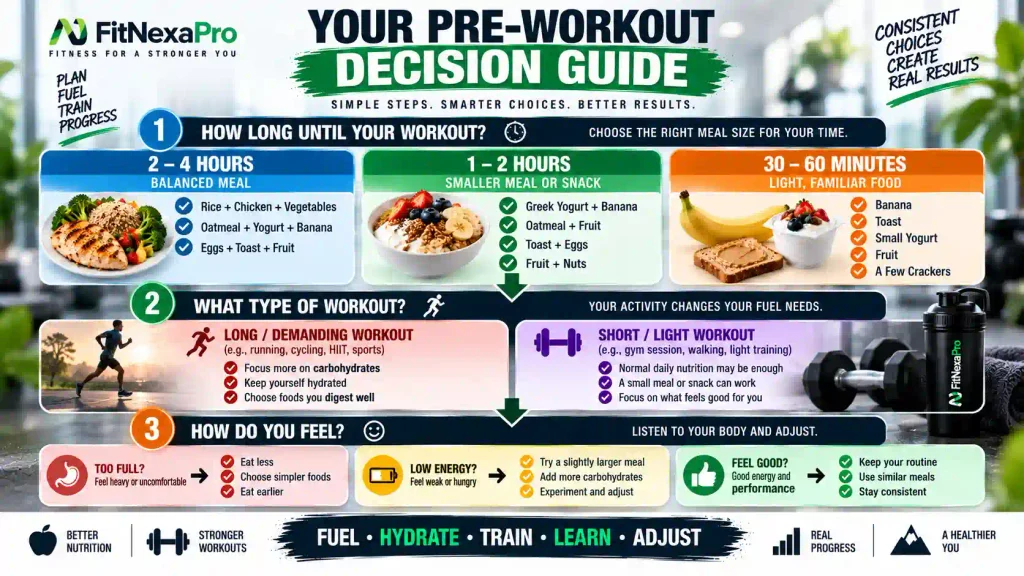
A Simple Pre-Workout Decision Guide
Instead of memorizing complicated rules, ask yourself:
How long until I exercise?
If it’s 2–4 hours, eat a normal balanced meal.
If it’s 1–2 hours, consider a smaller meal or substantial snack.
If it’s 30–60 minutes, keep the food relatively small and familiar if you need to eat.
Then ask:
What am I doing?
A long or demanding endurance workout may require more attention to carbohydrate availability than a short, easy session.
Finally ask:
How does this food make me feel during exercise?
If you consistently feel heavy, reduce the portion or allow more digestion time.
If you’re consistently hungry and low on energy, experiment with eating a little more or eating earlier.
Your routine should become more personalized as you learn from your workouts.
The Bottom Line
If you’re wondering what to eat before a workout, don’t look for one magical food.
Start with the basics.
When you have several hours before exercise, choose a balanced meal containing carbohydrates, protein and foods you digest comfortably.
When you’re closer to your workout, a smaller and simpler snack may be more practical.
Carbohydrates can help provide fuel for exercise, protein can contribute toward your overall daily protein needs, and adequate hydration should be part of your preparation. Sports-nutrition evidence supports paying attention to food and fluid before exercise, while also showing that the ideal strategy depends on the activity and individual.
You don’t need perfect timing.
You need a routine that fuels your training, feels comfortable, and is realistic enough to repeat consistently.